Lexus, renowned for luxury and reliability, surprisingly offered select models with manual transmissions, appealing to purists seeking a direct driving connection.
Historically, Lexus prioritized automatic transmissions, yet enthusiast demand and iconic models like the LFA showcased the brand’s capability with manual gearboxes.
This exploration delves into the world of Lexus manual cars, covering their history, driving experience, maintenance, and current market dynamics.
Historical Overview of Lexus and Manual Transmissions
Lexus emerged in 1989 as Toyota’s luxury division, initially focusing on refinement and a seamless driving experience – largely delivered through automatic transmissions. The brand’s early strategy prioritized comfort and ease of use, aligning with the expectations of the luxury car market. However, a dedicated segment of driving enthusiasts consistently desired the control and engagement offered by a manual gearbox.
Throughout the 1990s and early 2000s, Lexus cautiously introduced manual transmission options in certain models, primarily the IS and GS series, catering to this niche demand. These offerings were often limited to specific trim levels or engine configurations. The inclusion of manual options demonstrated a willingness to acknowledge and respond to enthusiast feedback, even while maintaining a core focus on automatic technology.
The pivotal moment arrived with the Lexus LFA (2009-2012), a halo car that unequivocally embraced the manual transmission. This supercar, with its naturally aspirated V10 engine, became synonymous with the engaging driving experience a manual gearbox could provide, solidifying a unique chapter in Lexus history.
Why Lexus Historically Favored Automatic Transmissions
Lexus’s initial commitment to automatic transmissions stemmed from a deliberate brand positioning focused on providing a supremely comfortable and effortless driving experience. Luxury car buyers, particularly in key markets like North America, traditionally favored the convenience and smoothness of automatics. Lexus aimed to deliver a refined, stress-free journey, aligning with this preference.
Furthermore, Toyota, Lexus’s parent company, had invested heavily in developing sophisticated automatic transmission technology. These automatics offered excellent fuel efficiency and responsiveness, challenging the performance advantages traditionally associated with manuals. Lexus leveraged this existing expertise to create transmissions that enhanced the overall luxury experience.
Marketing and perceived brand image also played a role. Lexus sought to project an image of technological innovation and effortless sophistication, qualities often associated with advanced automatic systems. Manual transmissions, while appreciated by enthusiasts, weren’t necessarily seen as aligning with this desired brand perception during the brand’s formative years.

Popular Lexus Models Available with Manual Transmissions
Select Lexus models, including the IS, GS, and the legendary LFA, were offered with manual transmissions, catering to driving enthusiasts seeking greater control.
Lexus IS (Specific Generations with Manual Options)
The Lexus IS, particularly the second (XE20, 2005-2013) and third (XE30, 2013-2020) generations, offered manual transmission options, primarily with the 2.5-liter inline-six and 3.5-liter V6 engines.
These configurations were most prevalent in the IS250 and IS350 models, providing a more engaging driving experience compared to the automatic variants. The availability varied by market, with North America receiving fewer manual IS models than Europe or Japan.
The six-speed manual gearbox in these IS models is known for its precise shifts and relatively short throw, enhancing driver involvement. Finding a well-maintained manual IS can be challenging due to their relative rarity, making them desirable among Lexus enthusiasts.
Early IS300 models (1998-2005) also featured a five-speed manual transmission, further solidifying the IS line’s appeal to those preferring a driver-focused experience.
Lexus GS (Specific Generations with Manual Options)
The Lexus GS, while generally favoring automatic transmissions, did offer manual options in select generations, primarily the second (S160, 1997-2005) and third (S190, 2005-2012) generations. These were typically paired with the 3.0-liter inline-six or the 3.5-liter V6 engines.
The GS430, a performance-oriented variant, was also available with a six-speed manual transmission in certain markets, offering a more spirited driving experience. However, manual GS models were produced in limited numbers, making them relatively rare today.
Like the IS, the availability of manual GS models varied significantly depending on the region, with European and Japanese markets seeing a higher proportion of manual transmissions.
Enthusiasts appreciate the manual GS for its blend of luxury and driver engagement, though finding a pristine example requires patience and diligent searching.
Lexus LFA (The Iconic Manual Lexus)
The Lexus LFA, a halo car for the brand, is arguably the most celebrated manual Lexus ever produced. Released in limited numbers between 2010 and 2012, the LFA featured a naturally aspirated 4.8-liter V10 engine and a six-speed automated manual transmission – though it’s often referred to simply as a manual due to its driver involvement.
This transmission was specifically chosen for its responsiveness and connection to the engine, enhancing the LFA’s track-focused character. The LFA’s manual operation, combined with its lightweight construction and high-revving engine, delivers an unparalleled driving experience.
Its rarity and exceptional performance have cemented the LFA’s status as a collector’s item, with values steadily increasing over time. The LFA represents Lexus at its most ambitious and driver-centric.
The Driving Experience of a Lexus Manual Car
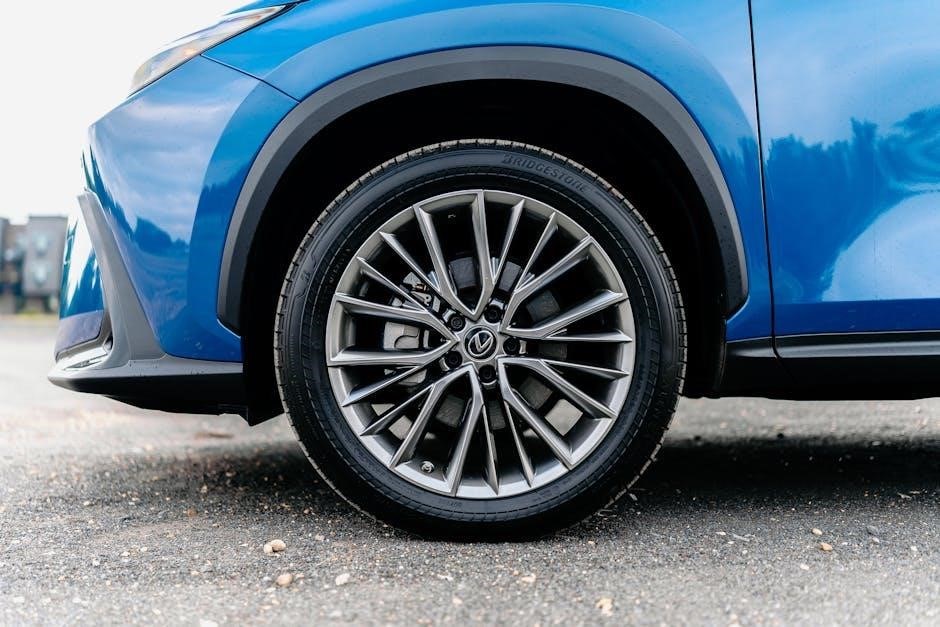
Lexus manual cars offer a uniquely engaging experience, prioritizing driver control and responsiveness through precise gear changes and a connected feel.
Clutch Feel and Gearbox Precision
The clutch in a Lexus manual transmission is typically designed for a smooth and progressive engagement, avoiding abruptness while still providing a solid connection. This allows for precise control during both daily driving and more spirited performance scenarios. Gearbox precision is a hallmark, with short throws and a definitive gate feel that inspires confidence.
Unlike some performance cars with overly stiff clutches, Lexus aimed for usability, making their manual transmissions accessible to a wider range of drivers. Synchromesh quality is generally high, contributing to effortless and quiet gear changes, even at higher RPMs. The overall experience emphasizes refinement alongside driver involvement, a characteristic consistent with the Lexus brand.
However, specific clutch feel and gearbox precision can vary slightly between different Lexus models and the year of manufacture, with later iterations often benefiting from incremental improvements in component design and manufacturing tolerances.
Engine Response and Driver Engagement
Lexus manual cars offer a heightened sense of driver engagement, directly linking the driver to the engine’s power delivery. The ability to select gears manually allows for precise control over the engine’s RPMs, maximizing responsiveness and extracting optimal performance. This is particularly noticeable with Lexus’s naturally aspirated engines, known for their linear power curves.
The manual transmission encourages a more active driving style, fostering a stronger connection between driver and machine. Drivers can precisely match engine speed to road speed, resulting in smoother downshifts and more controlled acceleration. This level of control isn’t fully replicated in automatic transmissions, even those with paddle shifters.
Furthermore, the tactile feedback from the clutch and gearbox enhances the overall driving experience, creating a more immersive and rewarding sensation for enthusiasts.
Comparison to Automatic Lexus Models
While Lexus automatics prioritize seamless comfort and convenience, manual versions deliver a distinctly different driving character. Automatic Lexus models excel in relaxed cruising and effortless daily commutes, offering a refined and isolated experience. However, they can sometimes feel detached, lacking the direct connection favored by driving enthusiasts.
Manual Lexus cars, conversely, demand more driver involvement. They trade some convenience for a more visceral and engaging experience, requiring active gear selection and clutch control. This results in a greater sense of control and a more rewarding driving experience, particularly on winding roads or during spirited driving.
Ultimately, the choice depends on individual preferences. Automatic Lexus models cater to those seeking luxury and ease, while manuals appeal to drivers prioritizing engagement and control.

Maintenance and Repair of Lexus Manual Transmissions
Regular fluid checks and timely changes are crucial for longevity. Addressing issues promptly—like clutch slippage—prevents costly repairs and maintains optimal performance.
Common Issues with Lexus Manual Gearboxes
Lexus manual transmissions, while generally robust, aren’t immune to problems. A frequently reported issue is difficulty shifting gears, often stemming from worn synchronizers or a failing master cylinder. Clutch slippage, indicating wear in the clutch disc or pressure plate, is another common concern, diminishing power transfer.
Internal wear within the gearbox itself can lead to grinding noises during shifts, signaling potential damage to gears or bearings. External leaks, typically from seals, can reduce fluid levels, exacerbating wear and causing operational difficulties.
Furthermore, issues with the shift linkage can result in imprecise or sloppy gear selection. Ignoring these symptoms can lead to more extensive and expensive repairs, potentially requiring a complete transmission overhaul or replacement. Proactive maintenance and addressing minor issues promptly are key to preventing major failures.
Fluid Changes and Maintenance Schedules
Maintaining the correct fluid level and condition is crucial for Lexus manual transmission longevity. Lexus recommends a manual transmission fluid change every 30,000 to 60,000 miles, depending on driving conditions – more frequent changes are advised for aggressive driving or track use;
Using the correct fluid type, specified in the owner’s manual, is paramount; incorrect fluid can cause damage to synchronizers and bearings. Beyond fluid changes, inspect the transmission for leaks regularly, paying attention to seals and the shift linkage.
A thorough inspection of the clutch system, including the master and slave cylinders, should be performed during fluid changes. Adhering to a strict maintenance schedule prevents costly repairs and ensures smooth, reliable shifting for years to come, preserving the driving experience.
Finding Qualified Lexus Manual Transmission Mechanics
Locating a mechanic experienced with Lexus manual transmissions is vital, as they require specialized knowledge beyond standard automatic gearbox repairs. General mechanics may lack the expertise to diagnose and correctly address issues specific to these transmissions.
Seek technicians certified by ASE (Automotive Service Excellence) with specific transmission repair credentials. Lexus dealerships often have trained technicians, but independent shops specializing in Japanese vehicles can also be excellent choices.
Online Lexus forums and communities are valuable resources for recommendations. Verify the mechanic’s experience with Lexus models and specifically ask about their familiarity with manual transmission repairs before entrusting them with your vehicle. Proper diagnosis and repair ensure long-term reliability.

Modifying Lexus Manual Cars
Enhancements range from performance clutches and aftermarket shifters to complete transmission upgrades, boosting driver engagement and vehicle capability. Careful consideration is key.
Performance Upgrades for Manual Transmissions

For Lexus manual transmission enthusiasts seeking enhanced performance, several upgrades can significantly transform the driving experience. A high-performance clutch kit is often the first modification, providing increased clamping force to handle more power and reduce slippage during aggressive driving. Lightweight flywheels are also popular, reducing rotational inertia for quicker engine response and faster gear changes.
Short-throw shifters dramatically decrease the distance required to shift gears, resulting in a more precise and engaging feel. Upgraded shift bushings eliminate excessive play and improve shift accuracy. Furthermore, exploring stronger gear sets and limited-slip differentials can improve traction and handling capabilities, particularly for track use or spirited driving.
However, it’s crucial to ensure compatibility and proper installation of these components. Modifications should be matched to the vehicle’s overall power output and intended use to avoid stressing the transmission beyond its limits. Professional installation is highly recommended to guarantee optimal performance and reliability.
Aftermarket Shifters and Clutch Kits
Aftermarket shifters represent a significant upgrade for Lexus manual cars, offering a more direct and tactile connection to the gearbox. Options range from simple shift knob replacements to complete short-throw shifter assemblies. These kits typically reduce throw distance, resulting in quicker, more precise gear changes and a sportier feel. Popular brands offer adjustable shifters, allowing drivers to customize the shift feel to their preference.
Clutch kits are equally crucial for enhancing performance and durability. Upgraded clutches provide increased clamping force, preventing slippage under high boost or aggressive driving. Options include organic, ceramic, and hybrid clutches, each offering different levels of grip and drivability. A reinforced pressure plate is often included to withstand increased stress.
Careful consideration should be given to the intended use of the vehicle when selecting a clutch kit; a more aggressive clutch may not be ideal for daily driving.
Potential Risks and Considerations of Modifications
Modifying a Lexus manual car, while tempting, introduces potential risks. Altering the drivetrain can void portions of the factory warranty, particularly if the modification directly causes a failure. Improper installation of aftermarket parts, like shifters or clutches, can lead to mechanical issues and decreased reliability.
Increased stress on the transmission and related components is another concern. Higher horsepower or aggressive clutch engagement can accelerate wear and tear, requiring more frequent maintenance or even premature replacement. It’s vital to ensure any modifications are compatible with the vehicle’s existing systems.
Furthermore, consider the impact on resale value. Heavily modified cars may appeal to a smaller pool of buyers. Thorough research and professional installation are crucial to mitigate these risks and ensure a safe, reliable outcome.

Lexus Manual Cars: Market Value and Collectibility
Rare Lexus manual models, like the LFA and specific IS/GS generations, command premium prices due to their limited production and enthusiast appeal.
Condition, mileage, and originality significantly influence value, with well-maintained examples fetching higher sums in the collector’s market.
Current Market Prices for Used Lexus Manual Models
Determining the current market value of a used Lexus with a manual transmission requires considering several key factors. Generally, prices are significantly higher than their automatic counterparts, reflecting rarity and demand from driving enthusiasts. A well-maintained Lexus IS300 (2001-2005) with a 5-speed manual can range from $12,000 to $25,000, depending on mileage and condition.
The Lexus GS430 (2001-2005) equipped with a 6-speed manual is even more elusive, often exceeding $30,000 for pristine examples. However, the crown jewel, the Lexus LFA, commands astronomical prices, frequently surpassing $700,000, and even exceeding $1,000,000 for exceptionally low-mileage or historically significant vehicles.
These figures are approximate and fluctuate based on location, auction results, and overall market trends. Online marketplaces and specialized Lexus forums provide valuable insights into recent sales data, aiding potential buyers and sellers in establishing a fair price. Expect to pay a premium for documented service history and original components.
Factors Influencing Collectibility (Rarity, Condition, etc.)
Several factors dramatically influence the collectibility – and therefore value – of Lexus models equipped with manual transmissions. Rarity is paramount; manual versions represent a tiny fraction of total Lexus production, instantly elevating their desirability. Condition plays a crucial role, with meticulously maintained, original examples commanding substantial premiums. Low mileage is highly prized, signifying minimal wear and tear.
Documentation, including service records and original purchase documentation, significantly enhances collectibility, verifying the car’s history and authenticity. Limited-edition models or those with unique factory options further increase their appeal. The Lexus LFA, due to its limited production run and iconic status, is already a highly sought-after collector’s item.
Furthermore, provenance – a car’s ownership history and any notable events it participated in – can add considerable value. A well-preserved, low-mileage manual Lexus represents a unique opportunity for enthusiasts and investors alike.
Future Appreciation Potential
The future appreciation potential for Lexus manual cars appears remarkably strong, driven by increasing demand from a shrinking supply. As automotive landscapes shift towards electrification and automation, the appeal of a traditional, driver-focused experience grows. Manual Lexus models, particularly those in exceptional condition, are poised to benefit from this trend.
The Lexus LFA is almost guaranteed to continue its upward trajectory, becoming a true automotive icon. More attainable models like the IS and GS manuals also present compelling investment opportunities. Factors like limited production numbers and growing enthusiast communities will further fuel appreciation.
However, careful selection is crucial; well-maintained, original examples will outperform those with modifications or neglected maintenance. Proactive preservation and documentation will maximize long-term value, solidifying their place in automotive history.

Troubleshooting Common Lexus Manual Transmission Problems
Difficulty shifting, clutch slippage, and unusual noises are frequent issues. Proper diagnosis, utilizing available technical documentation, is crucial for effective repair solutions.
Difficulty Shifting Gears
Experiencing trouble selecting gears in your Lexus manual transmission can stem from several sources, ranging from simple adjustments to more complex internal failures. A common culprit is low or contaminated transmission fluid, hindering smooth synchronization between gears. Air trapped within the hydraulic system can also create shifting resistance, requiring a thorough bleeding procedure.
Worn clutch components, including the master and slave cylinders, can contribute to imprecise or difficult gear changes. Inspecting the clutch linkage for proper adjustment and wear is essential. Internal transmission issues, such as worn synchronizers or bent shift forks, necessitate professional attention. These components are vital for matching gear speeds during shifts.
Furthermore, a misaligned clutch or a failing throw-out bearing can manifest as shifting difficulties. Careful examination of these parts is crucial during diagnosis. Always consult Lexus-specific repair manuals for detailed troubleshooting steps and torque specifications to ensure accurate repairs.
Clutch Slippage and Failure
Clutch slippage, characterized by engine revving without corresponding acceleration, indicates insufficient friction between the clutch disc and flywheel. This often arises from a worn clutch disc, glazed surfaces, or oil contamination. Prolonged slippage generates excessive heat, accelerating wear and potentially leading to complete clutch failure.
Complete clutch failure can manifest as an inability to engage any gear, or a complete loss of drive. Common causes include a broken clutch disc, a failed pressure plate, or a damaged throw-out bearing. A collapsed clutch slave cylinder can also prevent proper clutch engagement.
Regular inspection of the clutch linkage and fluid levels is crucial for preventative maintenance. Addressing minor slippage promptly can prevent catastrophic failure. When replacing the clutch, it’s advisable to replace associated components like the pressure plate and throw-out bearing simultaneously for optimal performance and longevity.
Unusual Noises from the Transmission
Whining sounds, particularly noticeable during gear changes or at specific speeds, often indicate worn bearings within the transmission. These bearings support the rotating shafts and their deterioration creates audible friction. Ignoring these noises can lead to more significant damage and eventual transmission failure.
Grinding noises, especially when shifting gears, typically signal synchronization issues. Synchros mesh gears to equalize speed before engagement; worn synchros cause clashing and grinding. This can also stem from low or contaminated transmission fluid.
Clunking or rattling sounds may point to loose internal components or worn U-joints in the driveshaft. A thorough inspection of the transmission mounts and surrounding hardware is essential. Prompt diagnosis and repair are crucial to prevent further damage and maintain safe operation.

Resources for Lexus Manual Car Owners
Online forums and dedicated communities provide invaluable support, while parts suppliers offer specialized components. Technical documentation and repair manuals aid maintenance.
Online Forums and Communities
For Lexus manual car owners, online forums and communities represent a vital resource for information, troubleshooting, and shared experiences. These platforms connect enthusiasts globally, fostering a collaborative environment where knowledge is freely exchanged. Members routinely discuss maintenance schedules, repair procedures, and modifications specific to manual transmission Lexus models.
Dedicated threads often focus on common issues like clutch wear, shifting problems, or gearbox noise, providing practical solutions and advice from seasoned owners and mechanics. Beyond technical assistance, these communities offer a space to connect with fellow Lexus aficionados, share modifications, and organize local meets. Active forums can significantly simplify ownership, offering a collective wisdom unavailable elsewhere. Finding these communities through search engines or Lexus-specific enthusiast websites is highly recommended for any manual Lexus owner.
Parts Suppliers for Lexus Manual Transmissions
Sourcing parts for Lexus manual transmissions can present unique challenges due to their relative rarity compared to automatic counterparts. Several specialized suppliers cater to the Lexus enthusiast market, offering both new and used components. Online retailers like eBay and specialized Lexus parts websites often stock clutches, gear sets, synchros, and other essential internal components.
For original equipment manufacturer (OEM) parts, Lexus dealerships remain a reliable, though potentially more expensive, option. Independent Lexus mechanics frequently maintain relationships with parts suppliers and can often source components at competitive prices. When purchasing used parts, verifying the seller’s reputation and the component’s condition is crucial. Careful research and comparison shopping are essential to ensure quality and compatibility, safeguarding the longevity of your Lexus manual transmission.
Technical Documentation and Repair Manuals
Comprehensive technical documentation is vital for anyone undertaking Lexus manual transmission maintenance or repair. Factory service manuals, often available for purchase online or through Lexus dealerships, provide detailed diagrams, torque specifications, and step-by-step procedures. These manuals are invaluable for accurate diagnosis and repair, ensuring work is performed to Lexus standards.
Online Lexus forums and communities frequently host shared technical information, including repair guides and troubleshooting tips contributed by experienced owners and mechanics. However, verifying the accuracy of information from unofficial sources is crucial. Digital repair manuals, accessible via subscription services, offer convenient access to a vast library of Lexus technical data. Investing in proper documentation significantly enhances the success and safety of any repair endeavor.