Manual Metal Shear: A Comprehensive Guide
Manual metal shears are vital tools for shaping metal, offering a cost-effective solution for various fabrication tasks, from roofing to automotive work.
Manual metal shears represent a foundational tool in metalworking, prized for their simplicity, portability, and ability to cut sheet metal without electricity. These hand-operated tools utilize leverage to shear through materials like mild steel, aluminum, and copper, making them indispensable for tasks ranging from HVAC ductwork to automotive repairs. Unlike power shears, manual shears offer precision and control, particularly beneficial for intricate cuts and smaller projects.
Their enduring relevance stems from their reliability and accessibility, serving as a crucial component in many fabrication workflows.
Historical Development of Metal Shears
The evolution of metal shears traces back to early blacksmithing practices, where hand-powered tools were essential for shaping iron. Early iterations were rudimentary, relying on brute force and simple lever mechanisms. Over time, designs refined, incorporating improved blade geometry and handle ergonomics for increased efficiency.
The industrial revolution spurred further development, with mass production techniques making shears more accessible. Modern manual shears retain core principles, yet benefit from advancements in metallurgy and manufacturing, offering enhanced durability and cutting performance.

Types of Manual Metal Shears
Manual metal shears come in diverse forms, each suited for specific tasks. Straight blade shears excel at making clean, linear cuts in sheet metal, ideal for basic fabrication. Compound leverage shears amplify force, enabling users to cut thicker materials with less effort.
Notcher shears are designed for creating precise notches and curves, crucial in applications like HVAC ductwork. Selecting the right type depends on the material, thickness, and desired cut geometry.
Straight Blade Shears
Straight blade shears represent the most fundamental type, prized for their simplicity and effectiveness in producing clean, straight cuts. These shears utilize two opposing blades that slide past each other, shearing the metal as pressure is applied. They are exceptionally well-suited for cutting thinner gauge sheet metal, offering precision for tasks like trimming edges and creating rectangular shapes.
Their straightforward design makes them user-friendly and requires minimal maintenance, making them a staple in many workshops.
Compound Leverage Shears
Compound leverage shears amplify the user’s force through a clever mechanical advantage, enabling the cutting of thicker metal sheets with significantly less effort. This design incorporates a linkage system that increases the force applied to the blades, making them ideal for heavier-duty applications.
They are particularly useful when working with materials that resist shearing, offering a more efficient and less fatiguing cutting experience compared to straight blade shears.
Notcher Shears
Notcher shears are specifically designed for creating precise notches and cutouts in metal sheets, a crucial step in many fabrication processes. Unlike standard shears that produce straight cuts, notchers excel at forming curved or angled shapes along the metal’s edge.
These shears are invaluable for applications requiring intricate designs or fitting metal components together, offering a level of precision difficult to achieve with other tools.
Materials Commonly Cut with Manual Metal Shears
Manual metal shears demonstrate versatility across numerous materials, though performance varies. Mild steel, with its lower hardness, is readily cut by most shears, making it a common application. Aluminum, being softer than steel, requires less force, extending blade life.
Copper, also relatively soft, is easily sheared, but can leave a burr. Harder alloys or thicker gauges may exceed a shear’s capacity, necessitating power tools.
Mild Steel
Mild steel is frequently cut using manual metal shears due to its relatively low carbon content and resulting softness. This makes it easier to shear compared to harder steel alloys. Shears effectively handle mild steel up to a certain thickness, typically around 16-18 gauge, depending on the shear’s capacity.

Consistent, clean cuts are achievable with sharp blades, making it ideal for sheet metal work and basic fabrication projects.
Aluminum
Manual metal shears perform admirably on aluminum sheets, often requiring less force than steel due to aluminum’s lower shear strength. However, aluminum’s tendency to gall or stick necessitates sharper blades and potentially a lubricant to ensure clean cuts.
Different aluminum alloys vary in hardness; softer alloys shear easily, while harder alloys may challenge the shear’s capacity. Gauge thickness is also a crucial factor for successful shearing.
Copper
Manual metal shears can effectively cut copper sheets, though it often demands sharper blades than steel, as copper is relatively soft and can deform if the blades aren’t pristine. The malleability of copper means burrs are common, requiring deburring after shearing.
Thicker copper gauges will require more force, potentially exceeding the shear’s capacity. Lubrication can aid in achieving cleaner cuts and reducing blade wear during copper shearing.
Key Components of a Manual Metal Shear
Manual metal shears consist of several crucial parts working in unison. Blades, typically hardened steel, perform the cutting action, requiring regular sharpening for optimal performance. Robust handles provide the leverage needed to shear metal effectively.
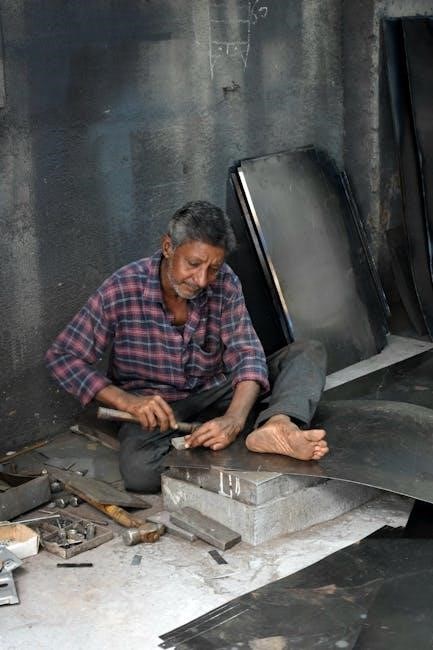
The pivot point, a central bolt or rivet, facilitates blade movement. A well-maintained pivot ensures smooth operation and prevents binding. These components collectively determine the shear’s efficiency and longevity.
Blades
Blades are the heart of any manual metal shear, directly responsible for the cutting process. Typically crafted from hardened steel, they must maintain a sharp edge to efficiently shear through metal sheets. Blade geometry, including angle and bevel, impacts cutting precision and required force.
Regular inspection for wear, chipping, or dullness is crucial. Maintaining blade integrity ensures clean cuts and prevents undue strain on the shear’s mechanism, extending its lifespan.
Handles
Handles on manual metal shears are designed to provide leverage and a comfortable grip for the operator. Ergonomic handle designs minimize fatigue during extended use, crucial for sheet metal fabrication and repair work. Handle length influences the mechanical advantage, impacting the force needed to cut.
Materials range from steel to composite grips, prioritizing durability and user comfort. Secure handle attachment to the shear’s frame is vital for safe and efficient operation.
Pivot Point
The pivot point is the fulcrum of manual metal shears, enabling the leverage necessary to shear metal effectively. Its precise location and robust construction are critical for transferring force from the handles to the blades. High-quality pivot points utilize hardened steel for durability and resistance to wear.
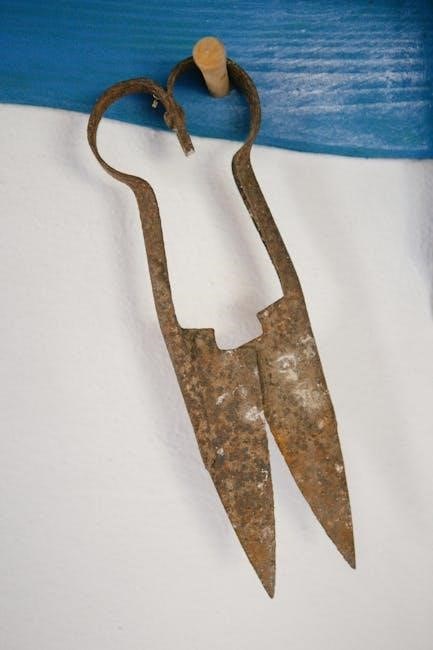
Proper lubrication at the pivot point minimizes friction, ensuring smooth operation and extending the shear’s lifespan. A secure pivot is essential for maintaining cutting accuracy.
Operating Principles of Manual Metal Shears
Manual metal shears operate on the principle of leverage and shearing force. Applying pressure to the handles creates a mechanical advantage, concentrating force onto the blades. This force exceeds the metal’s shear strength, causing a clean cut.
The compound leverage design in some shears further amplifies this force, allowing for thicker materials to be cut with less effort. Precise blade alignment is crucial for efficient shearing action.
Safety Precautions When Using Manual Metal Shears
Prioritize safety when operating manual metal shears; Personal Protective Equipment (PPE), including safety glasses and gloves, is essential to prevent injuries from flying debris and sharp edges. Maintain a firm grip and stable stance during use.
Always cut material on a suitable, stable surface. Never force the shears; excessive force can lead to blade damage or loss of control. Inspect shears before each use for any defects.
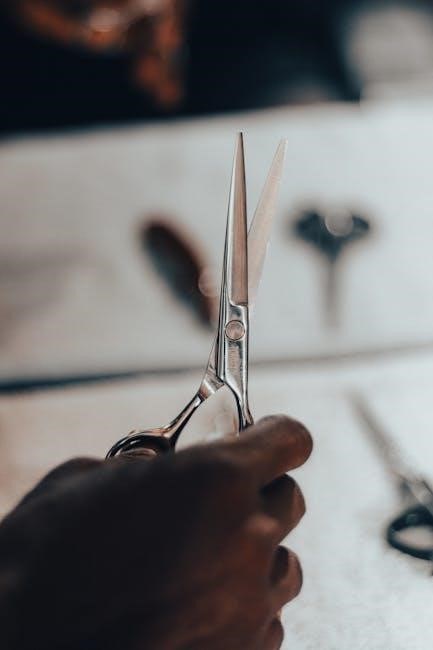
Personal Protective Equipment (PPE)
Essential PPE for manual metal shear operation includes robust safety glasses to shield eyes from metal fragments and sparks. Durable work gloves protect hands from sharp edges and potential cuts during material handling and shearing.
Consider wearing appropriate clothing, such as long sleeves, to minimize skin exposure. Steel-toed boots offer foot protection against dropped materials. A well-lit workspace enhances visibility and safety.
Proper Handling Techniques
Always maintain a firm grip on the handles during operation, ensuring controlled and even pressure throughout the cutting stroke. Support the metal sheet adequately to prevent bending or warping during shearing. Avoid forcing the shears; let the tool do the work.
Keep hands clear of the cutting blades at all times. Never reach over or around the shear while in use. Store shears in a safe, dry location when not in operation.
Applications of Manual Metal Shears
Manual metal shears excel in sheet metal fabrication, enabling precise cuts for various projects. They are frequently utilized in HVAC ductwork, shaping and sizing metal components for efficient airflow systems. Furthermore, these shears prove invaluable in automotive repair, assisting with body panel work and creating custom metal parts.
Their portability and lack of reliance on power make them ideal for on-site tasks and smaller workshops.
Sheet Metal Fabrication
Manual metal shears are fundamental in sheet metal fabrication, providing a straightforward method for creating precise cuts in materials like steel and aluminum. They allow for quick adjustments and are perfect for prototyping and small-batch production runs. Skilled operators can efficiently produce straight lines and controlled curves.
This makes them essential for crafting enclosures, brackets, and various custom metal components.
HVAC Ductwork
Manual metal shears play a crucial role in HVAC ductwork installation and repair, enabling technicians to efficiently cut and shape sheet metal for custom duct runs. Their portability allows for on-site modifications, avoiding the need for extensive pre-fabrication. This is particularly useful in retrofit projects or when dealing with complex building layouts.
Precise cuts ensure proper airflow and system efficiency.
Automotive Repair
Manual metal shears are invaluable in automotive repair, particularly for bodywork involving sheet metal. They facilitate quick and accurate cuts when replacing panels, creating patches, or modifying existing structures. Their hand-powered operation eliminates the risk of sparks, making them safe for use near flammable materials like fuel lines.
This precision is essential for achieving seamless repairs and restoring vehicle integrity.
Maintenance and Care of Manual Metal Shears
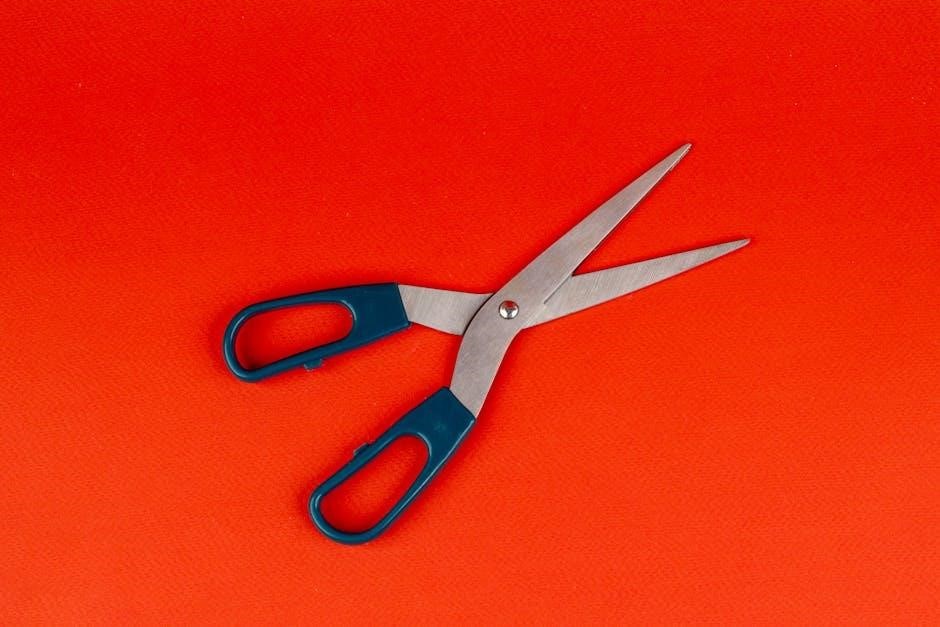
Maintaining manual metal shears ensures longevity and optimal performance. Regular blade sharpening is crucial, as dull blades require more force and produce ragged cuts. Consistent lubrication of the pivot point minimizes friction and prevents binding.
Protecting against rust prevention through oiling or specialized coatings is vital, especially in humid environments. Proper care extends the tool’s lifespan and maintains cutting efficiency.
Blade Sharpening
Blade sharpening is paramount for efficient cutting with manual metal shears. A sharp blade requires less force, resulting in cleaner, more precise cuts and reducing user fatigue. Utilize a sharpening stone or file, maintaining the original blade angle.
Regular inspection reveals dullness; sharpening restores the blade’s edge. Improper sharpening can damage the blade, so caution and precision are essential for optimal performance and safety.
Lubrication
Lubrication is crucial for the smooth operation and longevity of manual metal shears. Applying a light oil to the pivot point and moving parts minimizes friction, preventing binding and ensuring effortless cutting action.
Regular oiling reduces wear and tear on critical components, extending the tool’s lifespan. Choose a lubricant designed for metalworking tools, avoiding heavy greases that attract debris. Consistent lubrication maintains optimal performance.
Rust Prevention
Rust prevention is essential for manual metal shears, especially when exposed to humidity or stored for extended periods. After each use, thoroughly clean the blades and surfaces to remove any metal filings or debris that can accelerate corrosion.
Apply a thin coat of protective oil or rust inhibitor to all metal parts. Proper storage in a dry environment further safeguards against rust, ensuring the shears remain functional and reliable for years.
Troubleshooting Common Issues
Troubleshooting manual metal shears often involves addressing dull blades or binding. Dull blades necessitate sharpening to restore cutting efficiency, while binding indicates accumulated debris or improper lubrication. Inspect the pivot point for obstructions and apply appropriate lubricant.
If issues persist, check for bent or misaligned components. Addressing these problems promptly ensures safe and effective operation, preventing further damage and maintaining optimal performance.
Dull Blades
Dull blades on manual metal shears significantly increase cutting effort and produce ragged edges, indicating a need for sharpening. This impacts cutting precision and can lead to user fatigue. Regular inspection is crucial; a noticeable decrease in cutting performance signals dullness.
Sharpening restores the blade’s edge, ensuring clean, efficient cuts. Ignoring dull blades can damage the shear and compromise safety, requiring professional attention or replacement.

Binding or Sticking
Binding or sticking during operation of manual metal shears often indicates debris buildup between the blades or insufficient lubrication. This resistance requires excessive force, potentially damaging the shear mechanism and posing a safety risk to the operator.
Cleaning and lubricating the pivot point and blades are essential remedies. If the issue persists, inspect for bent or misaligned components, requiring professional repair or adjustment to restore smooth operation.
Choosing the Right Manual Metal Shear
Selecting the appropriate manual metal shear demands careful consideration of several key factors. Blade length dictates the maximum material width you can cut, while cutting capacity specifies the material thickness the shear can handle effectively.
Furthermore, handle ergonomics are crucial for comfort and reducing operator fatigue during prolonged use. Prioritize a shear that aligns with your typical projects and ensures safe, efficient operation.
Blade Length
Blade length is a primary determinant of the maximum width of material a manual metal shear can effectively process in a single cut. Longer blades are suited for wider sheets, enhancing productivity on larger projects. However, increased blade length often correlates with greater required force.
Conversely, shorter blades offer more control for intricate cuts but limit the width of material you can handle. Carefully assess your typical project dimensions when selecting blade length.
Cutting Capacity
Cutting capacity refers to the maximum thickness and type of metal a manual shear can handle without causing damage to the blades or requiring excessive force. This specification is usually expressed in gauge or millimeters for sheet metal.
Exceeding the stated capacity can lead to blade dulling, bending, or even shear failure. Always verify the shear’s capacity before attempting to cut any material, ensuring safe and efficient operation.

Handle Ergonomics
Handle ergonomics significantly impact user comfort and reduce fatigue during prolonged use of manual metal shears. Look for shears with cushioned grips, optimized handle length, and designs that minimize strain on hands and wrists.
Well-designed handles allow for a secure and comfortable grip, maximizing leverage and control. Prioritizing ergonomic features enhances productivity and minimizes the risk of repetitive strain injuries.
Manual Metal Shears vs. Power Shears
Manual metal shears offer portability and affordability, requiring no electricity, making them ideal for on-site work. However, they demand more physical effort and are slower for large-scale projects.
Power shears excel in speed and efficiency, handling thicker materials with ease, but they are less portable and require a power source. The choice depends on project scale, material thickness, and accessibility to power.
Advantages of Manual Shears
Manual metal shears boast several key advantages, starting with their inherent portability – no power source is needed, enabling use in remote locations; They are also significantly more affordable than powered alternatives, making them accessible for hobbyists and small workshops.
Furthermore, manual shears offer greater control for intricate cuts and are quieter in operation, reducing noise pollution. Their simplicity translates to lower maintenance requirements and increased safety due to fewer moving parts.
Disadvantages of Manual Shears
Manual metal shears, while versatile, present certain limitations. They require substantial physical effort, making prolonged use fatiguing, especially when cutting thicker materials. Cutting capacity is inherently limited compared to power shears, restricting their application to thinner gauges of metal.
Achieving consistently precise, long cuts can be challenging, and the process is generally slower. For high-volume production or demanding tasks, manual shears are simply not efficient enough.
Advanced Techniques with Manual Metal Shears
Manual metal shears, beyond straight cuts, enable skilled users to perform intricate work. Creating curves and contours demands careful, incremental cuts, often involving relief cuts to manage material flow. Notching and piercing, while requiring precision, are achievable with specialized shear designs.
Mastering these techniques involves understanding metal behavior and utilizing the shear’s leverage effectively. Practice and a steady hand are crucial for achieving clean, accurate results in complex shapes.
Creating Curves and Contours
Achieving curves with manual metal shears necessitates a series of short, angled cuts rather than attempting a single sweeping motion. Relief cuts, small V-shaped notches, strategically placed along the intended curve, allow the metal to bend more easily without kinking or distorting.
Contouring requires patience and a gradual approach, constantly adjusting the shear angle to follow the desired shape. Smoothness relies on consistent cut depth and minimizing force.

Notching and Piercing
Notching with manual shears involves removing material from the edge of a sheet, creating indentations or slots. This is achieved through controlled, overlapping cuts, often used for fitting pieces together or creating tabs. Precision is key to ensure accurate fitment.
Piercing, while less common with standard shears, can be approximated with repeated, focused cuts to create small openings. However, dedicated tools are generally preferred for clean piercing results.
Impact of Shear Bolt Overload Protection
While primarily associated with PTO shafts in agricultural machinery like rotavators, the principle of shear bolt overload protection highlights a crucial safety aspect relevant to metalworking. Though manual metal shears don’t utilize shear bolts directly, understanding this concept emphasizes preventing damage from excessive force.
Overloading a manual shear can damage blades or the tool’s structure. Recognizing material limits and avoiding forcing cuts mimics the protection a shear bolt provides, ensuring tool longevity and operator safety.
Metal Identification and Quality Assurance with XRF
Though manual metal shears themselves don’t incorporate X-ray Fluorescence (XRF) technology, understanding its role is beneficial for optimal use. XRF swiftly identifies metal composition, crucial for ensuring the material being cut is suitable for the shear’s capabilities.
Knowing the metal’s properties – hardness, thickness – prevents overloading and ensures clean cuts. XRF aids in quality assurance, verifying material authenticity before fabrication with manual shears.
Time Considerations in Metalworking
When utilizing manual metal shears, “active repair time” and “assembly time” are significantly impacted by material and shear quality. Compared to power shears, manual operation generally requires longer “actual in-cut time” per piece, influencing project timelines.
However, the simplicity of manual shears minimizes “activation time” – setup is quick. Efficient workflow planning, considering shear capacity and material thickness, optimizes overall project completion, reducing delays.
Assembly Time
With manual metal shears, “assembly time” primarily involves preparing the material for cutting and ensuring the shear is correctly positioned. Unlike complex power tools, there’s minimal setup; no electrical connections or intricate adjustments are needed.
This simplicity translates to faster project initiation. However, repetitive cuts can increase overall handling time. Efficient material staging and ergonomic handling techniques minimize wasted motion, optimizing “assembly time” and boosting productivity.
Active Repair Time
Manual metal shears, due to their mechanical nature, generally exhibit low “active repair time.” Unlike powered versions, breakdowns often involve simple fixes like blade sharpening or handle adjustments. Replacing a shear bolt, a common overload protection feature, is also relatively quick.
However, significant damage to blades or the pivot point may require professional attention, extending “active repair time.” Regular maintenance minimizes these occurrences, ensuring consistent performance and reducing downtime.
Future Trends in Manual Metal Shear Technology
Manual metal shear evolution will likely focus on ergonomic improvements and material science. Expect lighter, stronger alloys for handles and blades, reducing user fatigue and increasing durability. Innovations in blade geometry could enhance cutting efficiency, minimizing force required.
While fully automated features aren’t expected, integrated laser guides for precise cuts or quick-adjust mechanisms for varying metal thicknesses are plausible advancements, blending traditional design with modern convenience.